Earlobe Reduction Beverly Hills


Small details frame the face. When elongated earlobes or stretched piercings draw attention, a precise earlobe reduction can restore proportion without changing what makes you you. At Eos Rejuvenation in Beverly Hills, double board-certified facial plastic surgeon Dr. Nima Shemirani and fellowship-trained facial plastic surgeon Dr. Keon Parsa offer in-office care that treats the lobe with the same respect given to eyelids, lips, and nose. Below, you’ll find how the procedure works, who it helps, recovery, cost, and how we plan for a neat, natural contour.
1 of 3
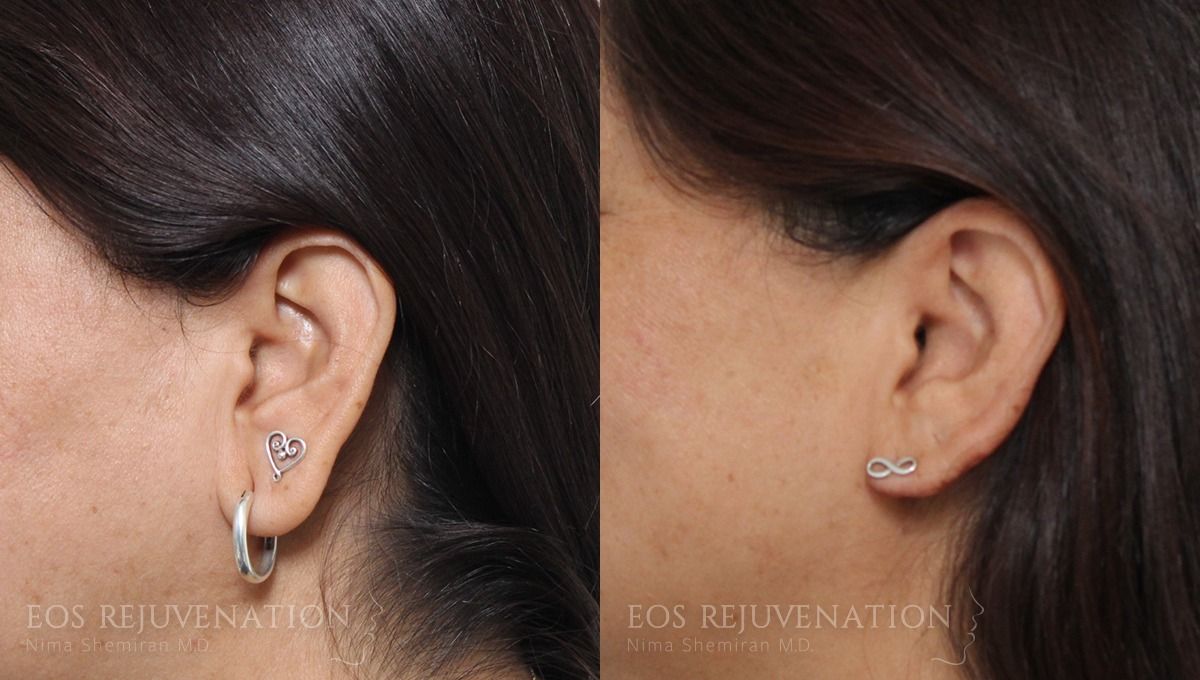
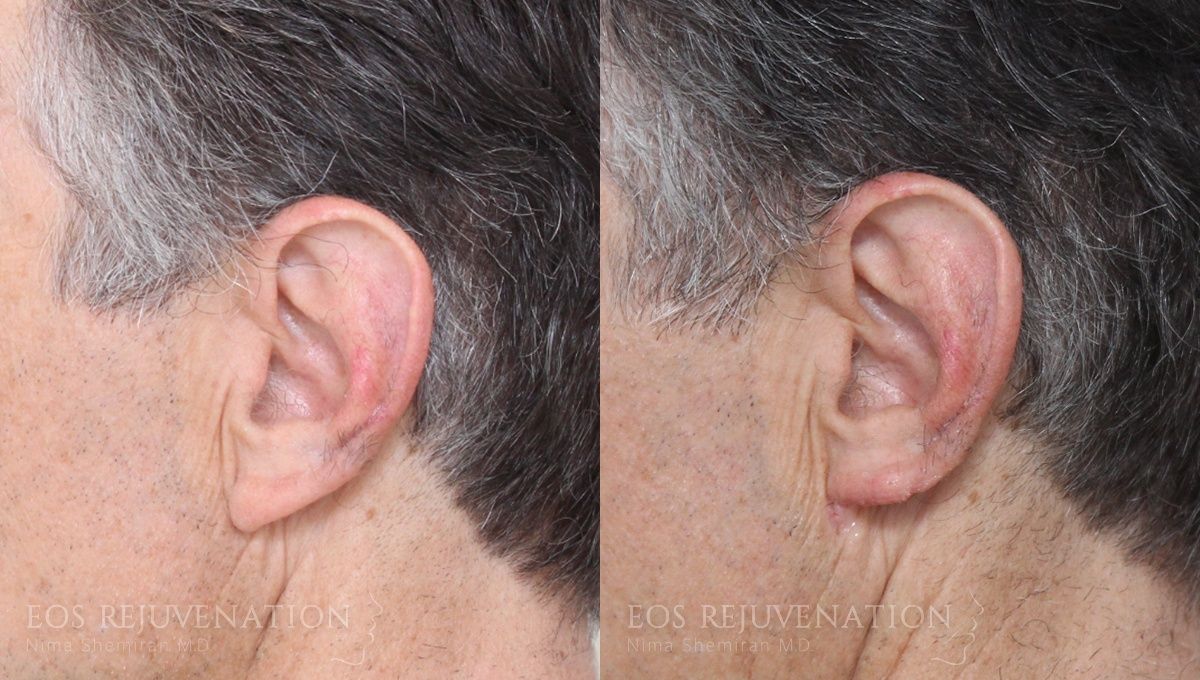
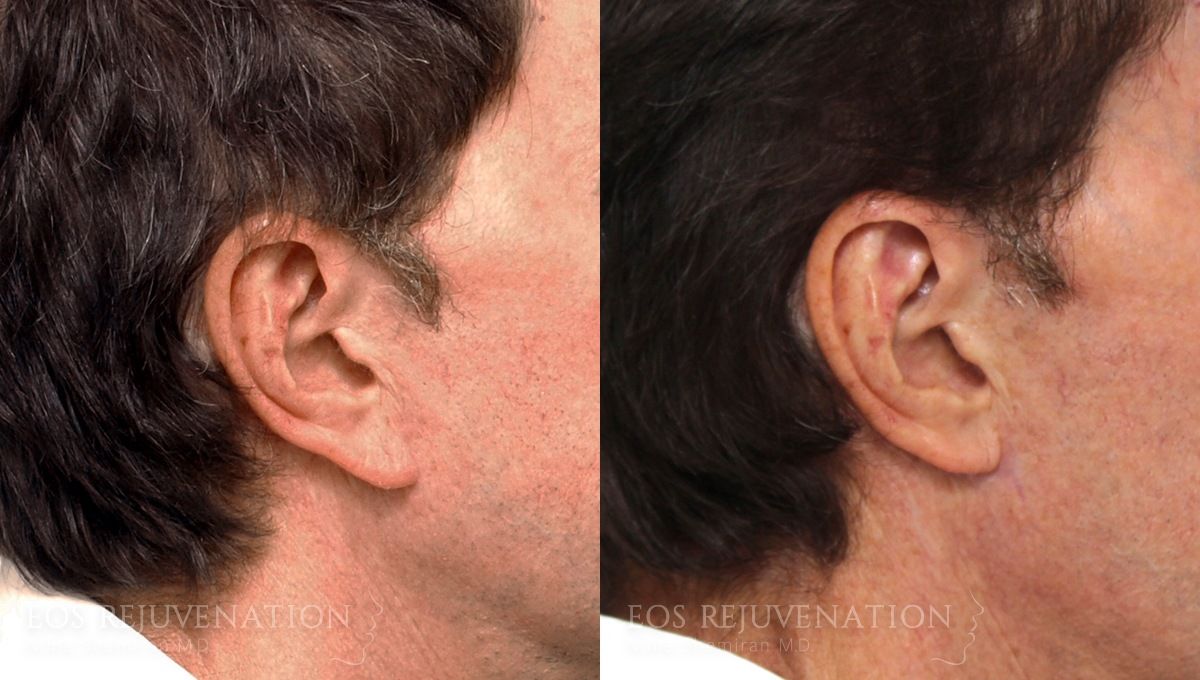
Earlobe reduction surgery is a focused earlobe surgery that trims excess tissue and reshapes the border to a clean, aesthetically pleasing shape. Think tailoring, not reconstruction: the lobe is measured, a narrow crescent or wedge is removed, and the edge is closed with layered sutures so the lobe looks balanced from the front and in profile. This improves the overall appearance by refining scale, not erasing character.
You may also see pages about earlobe repair. Repair addresses torn earlobes, split piercings, or holes stretched by ear gauges; earlobe repair surgery closes the defect so the lobe returns to a natural appearance. Reduction shortens a large ear lobe or saggy earlobe that sits low due to time, genetics, or wearing heavy earrings. Many patients need both; we often combine an earlobe repair procedure with a reduction in one visit.

Time, genetics, and gravity can lengthen the lobe. If your earlobe size feels out of sync with your jawline or your lobes sit lower than they once did, earlobe reduction can re-establish proportion.
When studs tilt forward or drops hang too low, the problem often lives in the lobe, not the jewelry. Shortening vertical height and strengthening tissue helps earrings sit level. We’ll also talk through earring choices that protect the repair.
Damaged earlobes from traumatic tearing, thin skin along a piercing, or irregular borders after gauged earlobes can leave the edge uneven. Reduction removes weakened segments while restoration techniques smooth the outline. If you need earlobe repair, we plan both in one session.
Some patients simply prefer a finer edge that reads elegant with short hair or updos. A measured trim can tidy the frame without changing the ear’s character.
A good candidate seeks a smaller, balanced lobe and has healthy skin without active infection. Ideal profiles include stretched earlobes from heavy earrings, low-sitting lobes from the aging process, or asymmetry after a prior tear. We’ll review medications, nicotine use, and healing history; pausing blood-thinning agents and nicotine supports proper healing. If you have a tendency toward thick scars or keloids, we’ll plan prevention and aftercare. Teens may qualify with guardian consent and realistic expectations.
Your initial consultation includes photos, measurements, and a simple sketch that shows how much tissue we’ll remove and where edges meet. We’ll ask about wearing earrings now and your plan to pierce your ears later. Preparation is straightforward: arrive with clean skin, skip oils or makeup on the ears, and follow any medication adjustments. If you’re pairing reduction with earlobe repair, scar revision, or a light resurfacing treatment around the lobe, we’ll stage them for a smooth healing timeline.

You’ll relax in a private room at our Beverly Hills office. We numb the area with local anesthesia. The surgeon marks the trim, removes a narrow crescent or wedge of excess tissue, and refines the border. Multiple layers of fine sutures support the new shape; a paper-thin dressing protects the line. The procedure typically takes 20–40 minutes per ear. No hospital check-in. No general anesthesia. You head home with an aftercare card and a direct line to our team.

Most patients feel ready for normal activities the next day. Expect light puffiness or a hint of soreness in the first 24–48 hours; pain medication such as acetaminophen is typically recommended if you need it. Keep the area clean, apply a thin film of antibiotic ointment as instructed, and sleep on the opposite side for several nights. Hold off on pools, saunas, and vigorous workouts for a few days to prevent infection and protect the seam.
External sutures—when used—come out around one week. A fine line softens over several weeks and continues to fade as collagen remodels. Once fully healed, most patients can re-pierce in 6–8 weeks through a stronger location we’ll mark at a follow-up. Choose lighter studs at first. Over time, you can expand your jewelry options while avoiding constant downward pull.
Long-term protection is simple: limit wearing heavy earrings every day, use support patches for statement pieces, and avoid tug or sleep pressure on the lobe. These small habits keep your earlobe shape in a natural state and reduce the chance of future repair.
Earlobes may be small, yet they live in every frame—selfies, headshots, black-tie photos. We treat them with the same planning we apply to rhinoplasty and eyelid work. Measured trimming, careful closure, and thoughtful aftercare produce a tidy edge with minimal pain and minimal scarring. You’ll know what to expect, how to protect the repair, and when a new piercing makes sense. Quiet refinement is the goal; a balanced face is the outcome.
Meet Dr. Nima and Dr. Parsa
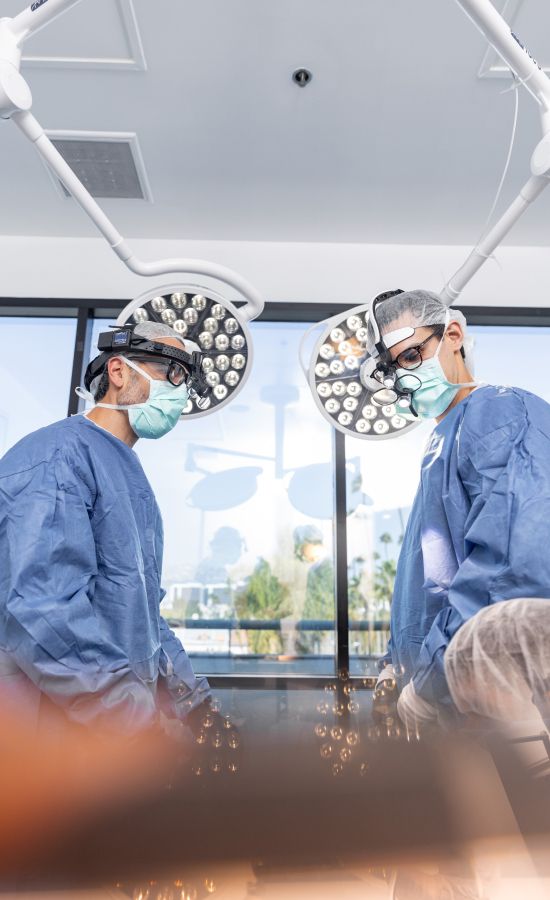
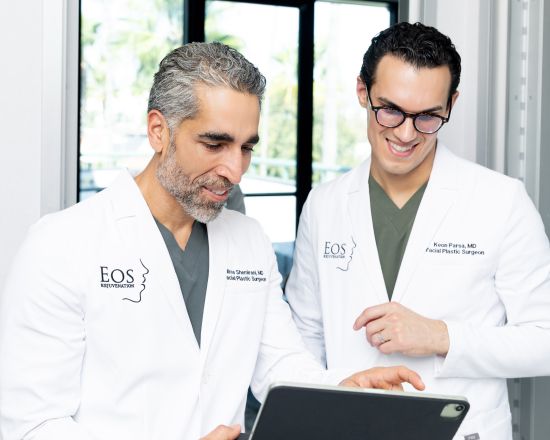
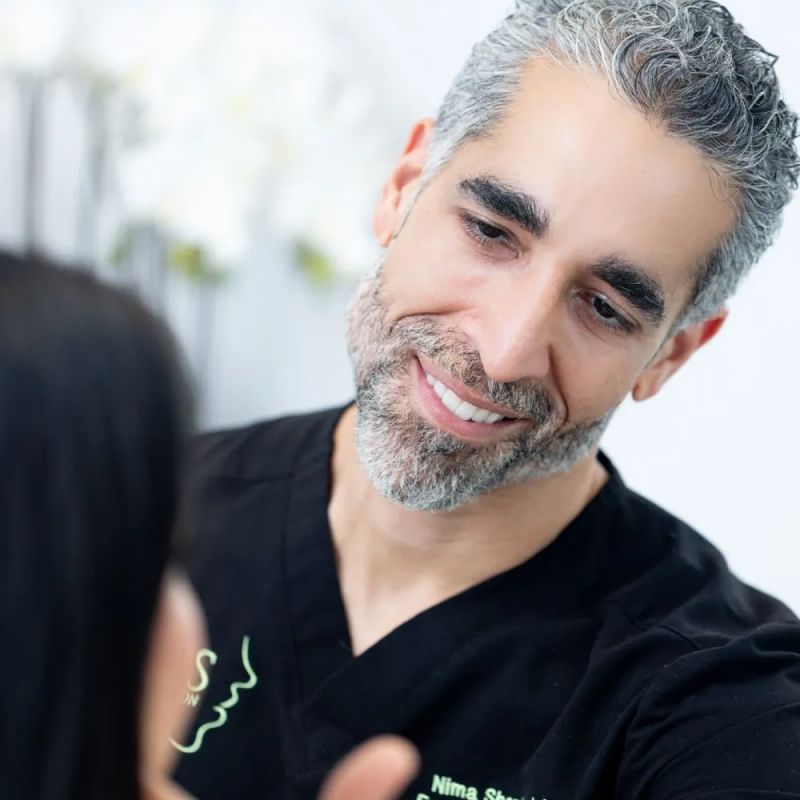
Precision with soft tissue comes from focus. Dr. Nima Shemirani is a board-certified plastic surgeon in facial plastic, head and neck surgery with a practice centered on the face. Dr. Keon Parsa brings advanced fellowship training and a steady hand for detail. Patients often mention how their ears blend in again exactly the point. Our previous patients also value privacy, clean planning, and follow-through that extends beyond suture removal.
If sagging earlobes or stretched piercings distract from your face, we can help. Call (310) 272-5313 or request a consultation today at our Beverly Hills office. We’ll measure, sketch, and map a plan that returns attention to your features—not your lobes. If you want more about earlobe repair, we’ll show how repair and reduction can be combined in one visit.
Comfort is a priority. Local anesthesia numbs the area. After the visit, most patients feel mild soreness that responds to simple pain medication and cool compresses.
Any surgical procedure carries risk. With lobes, concerns include bleeding, infection, asymmetry, or visible scarring. Careful planning and aftercare keep issues uncommon.
Back to office life the next day for many. External sutures—if placed—are removed around one week. The line fades over the next few weeks as you heal.
Yes. After you’re fully healed, re-pierce in 6–8 weeks through healthy tissue we mark together. Start with light studs and avoid heavy earrings at first.
No. When there’s extra skin or a long border, trimming and suturing provide a durable, natural appearance.
Earlobe reduction is a cosmetic service. We’ll provide a detailed quote and options if you plan to pair it with other cosmetic procedures.
Earlobe repair closes a tear or a stretched hole from gauges; earlobe reduction shortens large ear lobes or saggy earlobes. Many patients benefit from both in one visit.